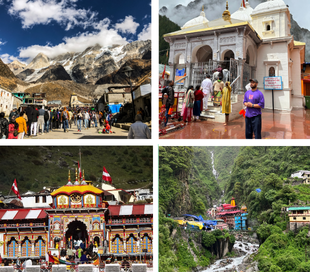
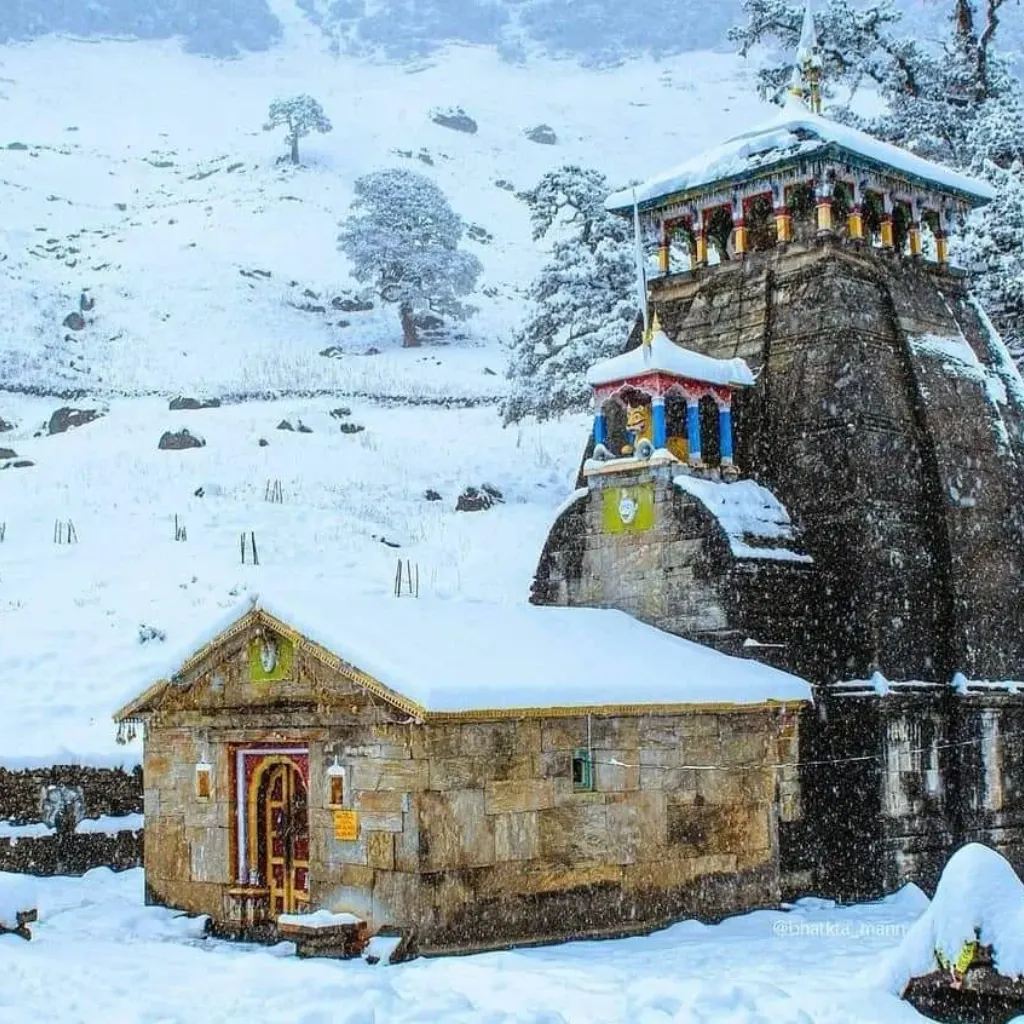
In the grand tapestry of the Panch Kedar pilgrimage, each shrine has its own unique character. The path to Kedarnath is filled with the resounding faith of millions; the climb to Tungnath rewards you with accessible, breathtaking vistas. But the Madmaheshwar trek… this one is different. This is the journey that feels like a true, secluded pilgrimage into the heart of the Himalayas.
The journey to the Madhyamaheshwar temple, where the navel of Lord Shiva is worshipped, remains one of my most cherished experiences. It’s a path that demands effort but repays you with a stillness and serenity that is hard to find elsewhere.
This guide is built from my personal experience. It’s not just a list of facts; it’s a map to help you navigate this incredible journey, from the starting point near Ukhimath to the divine meadows that house the sacred Madhmaeshwar temple.
The first thing to understand is that this journey is as much about the path as it is about the destination. The trail itself is a story, unfolding through dense forests, alongside a roaring river, and finally opening up into a heavenly alpine meadow.
Madmaheshwar Trek Distance and Route Map
The total madmaheshwar trek distance is approximately 16 kilometers one way. While you won’t find a physical madmaheshwar trek route map handed out, the path is well-defined. Here’s a breakdown from my experience:
Start Point: Ransi Village: Your journey on foot begins from Ransi, a quaint village a short drive from Ukhimath, Rudraprayag.
Stage 1: Ransi to Bantoli (8 km): This is a relatively easy walk. The trail meanders through villages and forests, with the Madhyamaheshwar Ganga river as your constant companion. Bantoli, at the confluence of two streams, is a perfect spot for an overnight halt. The sound of the river here is a meditation in itself.
Stage 2: Bantoli to Madhyamaheshwar (8 km): This is where you gain altitude. The climb from Bantoli is steady and can be challenging. My advice is to start early. The trail takes you through a magnificent forest of oak and rhododendron before the tree line recedes, and you enter the final meadow leading to the temple.
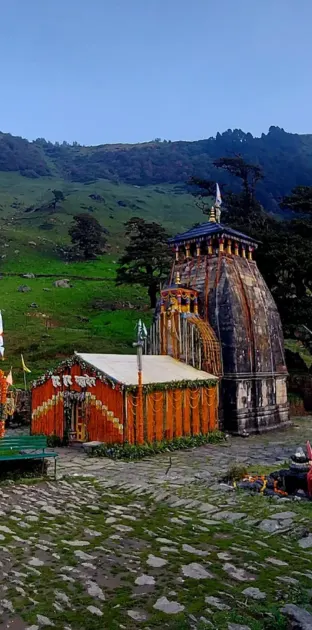
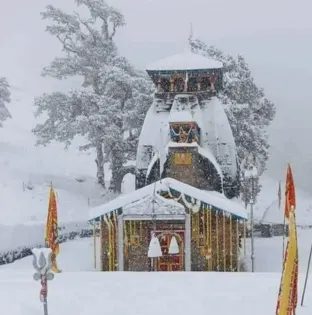
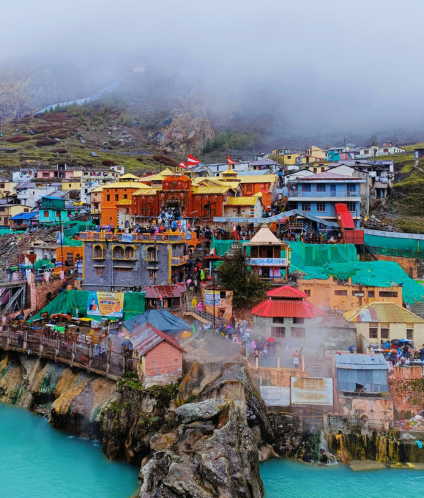
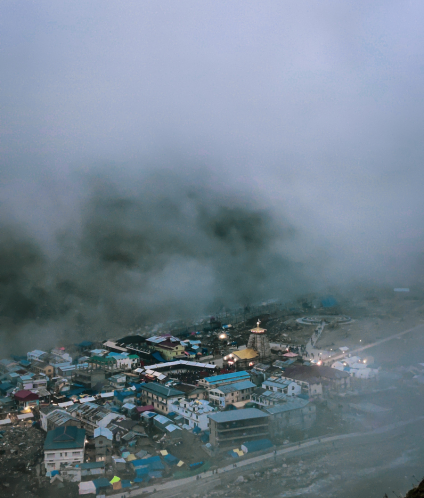
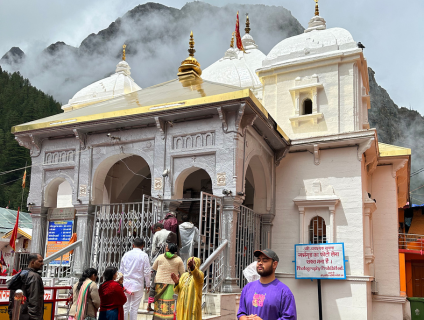
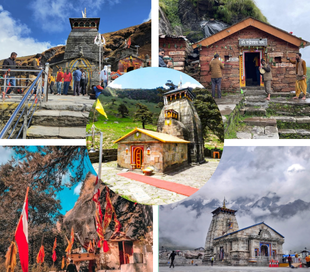
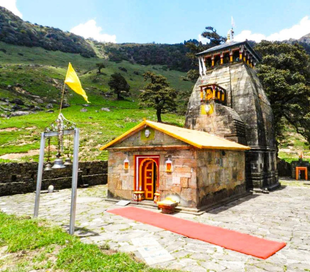
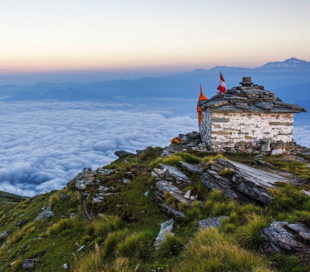
Arriving at the Madmaheshwar temple is a moment of pure bliss. The temple stands with ancient grace in a vast, stunning meadow, with the mighty Chaukhamba peak forming a divine backdrop.
Budha Madmaheshwar: The View from the Top
While many pilgrims end their journey at the main temple, I urge you to push a little further. A steep, 2-kilometer climb from the temple leads to Budha Madmaheshwar. The first time I made this climb, I was gasping for air, but the view that unfolded was simply breathtaking. From here, you get a 360-degree panoramic view of the Himalayan giants: Chaukhamba, Kedarnath, Neelkanth, and more. It’s a spiritual summit that makes the entire madhyamaheshwar temple trek completely worth it.
The trek is only accessible for six months, from May to October.
May-June: Perfect weather, but can be a bit crowded.
September-October: My personal recommendation. The post-monsoon landscape is brilliantly green, and the skies are crystal clear. The daytime madhyamaheshwar temperature is pleasant (12°C to 18°C), but nights are cold, often dropping to 2°C-5°C. Always carry multiple warm layers.
To walk this path is to walk through living mythology. The story of the Panch Kedar originates from the epic Mahabharata. After the great war, the Pandava brothers, burdened by the sin of killing their kin, sought Lord Shiva for absolution. Shiva, unwilling to grant it so easily, transformed into a bull (Nandi) to evade them.
When Bhima, the strongest Pandava, recognized and tried to stop the bull at Guptkashi, it vanished into the earth. The bull's body later reappeared in five parts at different locations, which became the Panch Kedar shrines:
The hump (Kedarnath), The arms (Tungnath), The face (Rudranath), The matted locks (Kalpeshwar), The navel or middle part (Madhyamaheshwar)
The navel is considered the center of life and creation, making Madhyamaheshwar a place of immense spiritual power and the second most important temple in the circuit.
Explore Kedarnath Tourism customize Kedarnath tour packages. From spiritual journeys to scenic adventures, explore customized travel options for a memorable pilgrimage."
Day 1: Ukhimath to Ransi (Drive) & Ransi to Bantoli (Trek: 8 km / 4-5 hours) The journey begins with a scenic one-hour drive from Ukhimath to the starting point, Ransi village. After a final check of your gear, you hit the trail. The first day is a gentle walk, mostly downhill and flat, passing through the villages of Gaundar. The sound of the Madhyamaheshwar Ganga river becomes your constant soundtrack. Bantoli, at the confluence of two rivers, is a serene spot for your first overnight halt.
Day 2: Bantoli to Madhyamaheshwar (Trek: 8 km / 5-6 hours) This is your main ascent day. The trail from Bantoli climbs steadily through a pristine, dense forest of oak and rhododendron. The air gets cooler and thinner. You’ll pass a small settlement called Nanu before the final, steep climb. The moment the forest opens up into the vast alpine meadow with the temple in the distance is truly magical and makes the entire effort worthwhile.
Day 3: Explore Madhyamaheshwar & Buda Madhyamaheshwar (Trek: 4 km round trip) Wake up before dawn. A steep 2 km climb from the temple takes you to Buda Madhyamaheshwar. My Expert Tip: Do not skip this. The 360-degree, up-close view of the Chaukhamba massif, Mandani, and Kedarnath peaks at sunrise is the single greatest reward of this entire journey. Spend the rest of the morning exploring the main temple complex before starting your descent back to a lower altitude camp like Gaundar.
Day 4: Gaundar to Ransi (Trek: 6 km / 3 hours) & Departure The final leg of your trek is an easy, mostly flat walk back to Ransi. From here, you can hire a taxi to return to Ukhimath or continue to your next destination, carrying the profound peace of the mountains with you.
Life on the trail is simple. Do not expect luxury.
Accommodation: You will find basic lodges, homestays, and “Chattis” (trekkers’ huts) in Gaundar, Bantoli, and Madhyamaheshwar. The temple committee also runs a guesthouse. The facilities include a room with beds and blankets.
Food: Small dhabas along the trail serve simple, hot, and delicious vegetarian food. A typical meal consists of dal, rice, roti, and a vegetable dish. Maggi and tea are trail staples. Carrying some energy bars and dry fruits is always a good idea.
Connectivity: There is no mobile network or internet connectivity after Ransi village. This is a complete digital detox.
Guides & Porters: While the trail is well-marked, hiring a local guide from Ransi or Ukhimath is recommended for first-timers. They can enrich your experience with local stories and knowledge.
Acute Mountain Sickness (AMS): Listen to your body. Symptoms include headache, nausea, and dizziness. If you feel unwell, do not ascend further. Stay hydrated and walk at a slow, steady pace.
Plan your Himalayan yatra with our complete guides — sacred temples, routes, taxi services, registration and travel tips, all in one place.
Quick Links
Yatra & Travel Services
Sacred Places & Temples
Towns & Villages En Route
Route & Distance Guides
Char Dham Registration & Dates
Planning & Best Time
Health, Safety & Live Updates
Trekking & Temple Culture
Ready to begin your sacred Himalayan journey?
Explore Yatra Packages →+917055906147
info.kedarnathtourism.in
Ward No.3, near Mangoli Field, Mangoli, Ukhimath, Uttarakhand 246469