
 Blog
BlogUnderstanding the Kedarnath Journey: An Overview
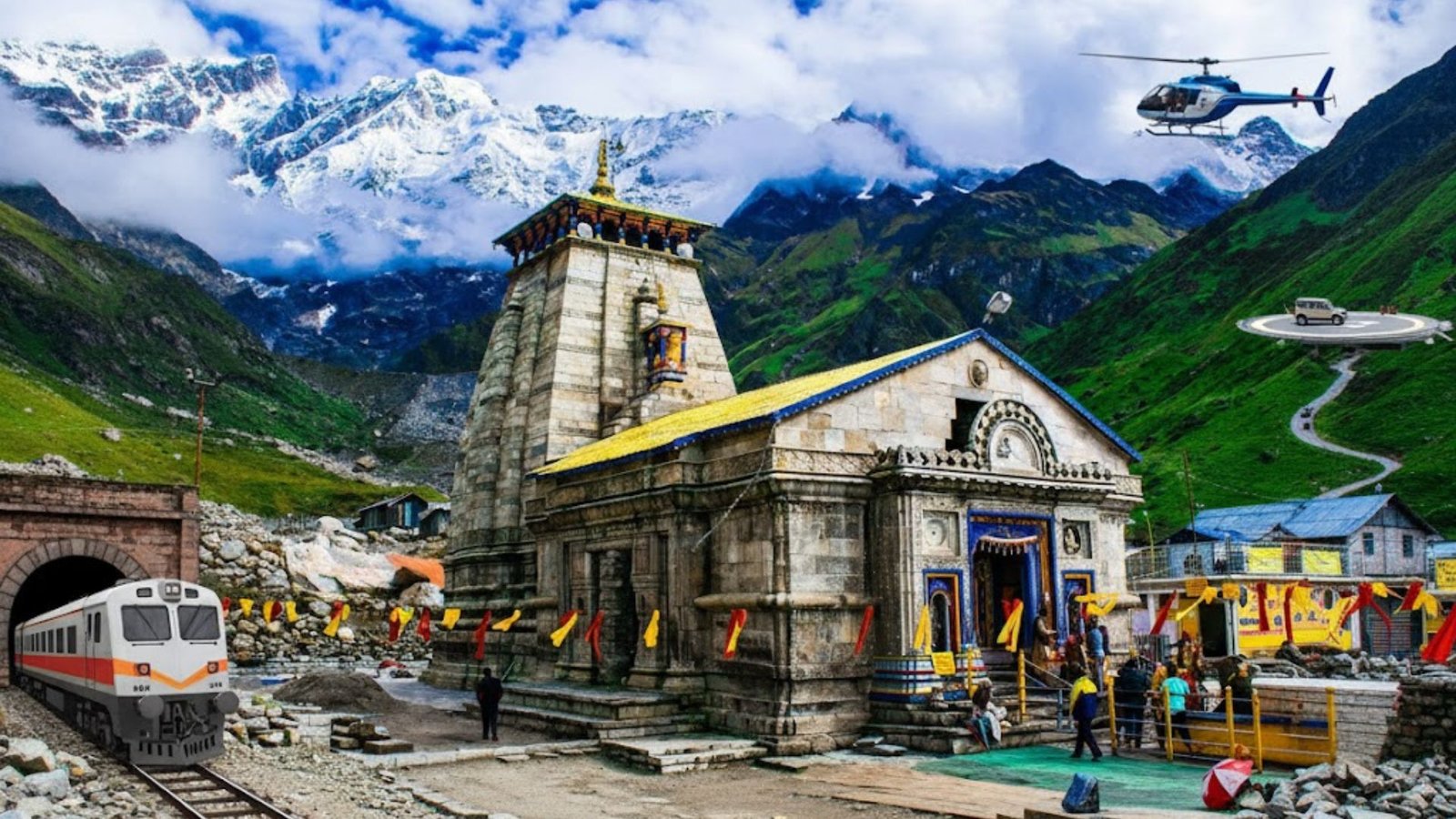
Kedarnath Temple, one of the twelve Jyotirlingas of Lord Shiva and a prominent part of the Char Dham Yatra, is nestled at an altitude of 3,583 meters (11,755 feet) in the Garhwal Himalayas of Uttarakhand. Its remote location means there’s no direct access by train or road right up to the temple. Every pilgrim must undertake a final leg of the journey by trek or helicopter.
To go to Kedarnath, you must first reach Haridwar or Rishikesh by train or road. From there, travel by road to Sonprayag or one of the helipad bases (Guptkashi, Phata, Sersi). The final leg is either an 18 km trek from Gaurikund (accessible by shuttle from Sonprayag) or a helicopter ride from the helipads. There is no direct train or road access to the Kedarnath temple itself. Helicopter bookings are made via IRTC, and all pilgrims require Char Dham Yatra registration. The best times to visit are May-June and September-October.
Your journey to Kedarnath typically involves several stages:
- Initial Travel to Haridwar/Rishikesh: These are the primary gateway cities to the Garhwal Himalayas.
- Road Journey to the Base Camp: From Haridwar/Rishikesh, you travel by road to the trek’s starting points: Gaurikund (for trekking) or Sonprayag/Phata/Guptkashi (for helicopter services).
- The Final Leg: This is either an 18 km trek from Gaurikund or a short helicopter ride from one of the helipads.
Let’s break down each stage in detail.
1. How To Go Kedarnath By Train (Gateway Cities)
While there’s no direct train to Kedarnath, the railway network provides an excellent and comfortable way to reach the gateway cities of Uttarakhand.
Haridwar Railway Station (HW): This is the most common and well-connected railway station for pilgrims heading to Kedarnath. Haridwar is a major railhead, well-connected to all parts of India, including Delhi, Mumbai, Kolkata, and major cities. It offers frequent trains and is a spiritual hub in itself, allowing you to absorb some divine energy before your main yatra.
Distance to Gaurikund (Trek Start): Approximately 230-240 km.
Distance to Guptkashi/Phata (Helipad Base): Approximately 200-210 km.
Rishikesh Railway Station (RKSH): A smaller railway station compared to Haridwar, but also a viable option. It’s closer to the Himalayas, cutting down a little on your road journey. However, train connectivity might be less frequent than Haridwar.
Distance to Gaurikund (Trek Start): Approximately 210-220 km.
Distance to Guptkashi/Phata (Helipad Base): Approximately 180-190 km.
Kedarnath Tourism Expert Tip: Booking train tickets well in advance, especially during the peak yatra season (May-June and Sept-Oct), is crucial as trains get fully booked quickly. Consider overnight trains to save on accommodation and maximize your time.
2. How To Go Kedarnath By Road (From Gateway to Base Camp)
Once you arrive at Haridwar or Rishikesh, the next leg of your journey is a scenic, albeit sometimes winding, road trip through the majestic Garhwal Himalayas. This is often the longest part of the journey.
Key Road Route (Haridwar/Rishikesh → Rudraprayag → Guptkashi → Sonprayag → Gaurikund):
Haridwar/Rishikesh to Rudraprayag (approx. 160 km / 5-6 hours): The journey starts along the Ganga, passing through picturesque towns like Devprayag (where Alaknanda and Bhagirathi rivers meet to form the Ganga) and Srinagar. Rudraprayag is a significant junction, where the Alaknanda and Mandakini rivers converge.
Rudraprayag to Guptkashi (approx. 40 km / 1.5-2 hours): This stretch takes you deeper into the Mandakini valley, known for its lush greenery and the Mandakini River flowing beside. Guptkashi is a major town and offers numerous accommodation options. It’s also a crucial base for helicopter services.
Guptkashi to Sonprayag (approx. 30 km / 1 hour): Sonprayag is the main base camp and a vital transit point for both trekkers and helicopter pilgrims. Private vehicles are generally not allowed beyond Sonprayag due to traffic regulations and the fragile ecosystem.
Sonprayag to Gaurikund (approx. 5 km / 15-20 minutes by local shuttle): From Sonprayag, you take a local shared taxi (Sumo/Jeep) to Gaurikund. This small section of road is restricted for private vehicles. Gaurikund is the official starting point of the Kedarnath trek.
Road Travel Options:
Private Taxi/Car: This is the most comfortable and flexible option. You can hire a private taxi from Haridwar to Kedarnath and from Rishikesh directly to Gaurikund or one of the helipad bases. This allows for stops as per your convenience.
Shared Taxi/Jeep (Sumo/Maxx): A more economical option. You’ll find shared taxis readily available from Haridwar/Rishikesh and at various points along the route. They are cost-effective but adhere to fixed routes and schedules.
Bus Services: Uttarakhand Roadways (UTC) operates buses from Haridwar and Rishikesh towards Rudraprayag, Guptkashi, and sometimes even directly to Sonprayag/Gaurikund during the yatra season. These are the most budget-friendly but can be slower and less comfortable.
Self-Driven Car: Possible for experienced mountain drivers. However, be prepared for narrow, winding roads, potential landslides (especially during monsoons), and traffic congestion. Parking at Sonprayag/Gaurikund is also a challenge and expensive.
Kedarnath Tourism Expert Tip: Road conditions in the Himalayas can be unpredictable, especially during the monsoon (July-August). Always check the latest Kedarnath road status before starting your journey. Heavy rains can cause landslides and road closures, leading to significant delays. Travel in the early morning hours is always recommended to avoid traffic and make the most of daylight. Consider breaking your journey with an overnight stay in Rudraprayag or Guptkashi to avoid fatigue.
3. The Final Leg: Trekking or Helicopter
This is where your journey takes its final, distinct turn, depending on your choice of pilgrimage experience.
A. How To Go Kedarnath By Trek (The Traditional Path)
The 18-km trek from Gaurikund to Kedarnath is an iconic part of the pilgrimage, steeped in history and spiritual significance. It’s a challenging but incredibly rewarding journey.
- Starting Point: Gaurikund. After taking a local shuttle from Sonprayag, you reach Gaurikund, which has hot springs and a small temple.
- Trek Distance: Approximately 18 km (one way).
- Altitude Gain: Significant, from around 1,982 meters (6,500 ft) at Gaurikund to 3,583 meters (11,755 ft) at Kedarnath.
- Time Taken: 6 to 10 hours for most pilgrims (one way), depending on fitness levels and stops.
- Path Condition: The trek path is well-maintained and paved, but it’s steep in many sections. It can become slippery during rain or early snow.
Assistance Options for Trekkers:
- Porters (Kandies): Available at Gaurikund to carry your luggage, allowing you to trek with a lighter load.
- Ponies/Mules: A popular option for those who cannot or prefer not to walk the entire distance. You can hire a pony from Gaurikund up to the temple.
- Palkis/Dandis (Palquin Bearers): Best for elderly pilgrims or those with mobility issues. Four bearers carry you in a small palanquin.
Expert Tips for Trekkers:
- Physical Preparation: Begin light exercises, walking, and stair climbing at least 1-2 months before your trip. The altitude gain is substantial.
- Acclimatization: Spend at least one night in Guptkashi or Sonprayag before starting the trek to help your body adjust to the altitude.
- Pack Light & Smart: Carry only essentials. Layered clothing, waterproof gear, sturdy trekking shoes, a walking stick, a headlamp, and a basic first-aid kit are crucial.
- Stay Hydrated & Eat Well: Drink plenty of water (not just tea/coffee). Small, frequent meals are better than large ones.
- Start Early: Begin your trek by 4-5 AM from Gaurikund. This helps you avoid afternoon crowds, potential bad weather, and allows ample time to reach Kedarnath before dark.
- Altitude Sickness: Be aware of symptoms (headache, nausea, dizziness). Descend immediately if symptoms worsen. Carry prescribed medicines for AMS if advised by your doctor.
- Registration is Mandatory: Ensure you complete your Char Dham Yatra registration online before starting. This is crucial for safety and tracking.
B. How To Go Kedarnath By Helicopter (The Aerial Route)
For many, especially those with time constraints, physical limitations, or a desire for a unique experience, reaching Kedarnath by helicopter is an excellent option.
- Helipad Bases: Helicopter services primarily operate from three helipads:
- Guptkashi Helipad: Furthest, longest flight time.
- Phata Helipad: Intermediate distance.
- Sersi Helipad: Closest to Kedarnath, shortest flight time.
- Flight Duration: Ranges from 7-15 minutes (one way) depending on the helipad.
- Kedarnath Helipad: All flights land at the Kedarnath helipad, which is approximately 500 meters from the main temple. You will need to walk this short distance.
- Booking: Helicopter tickets are highly sought after and must be booked well in advance through the official IRCTC HeliYatra website (heliyatra.irctc.co.in). Beware of touts and fake websites.
- Fare Hike (Current Information): As per recent announcements Kedarnath Helicopter Fares Hiked, prices have been revised. Ensure you check the latest official fares on the IRCTC portal.
- Example Fares (Approx. Round Trip): Sersi-Kedarnath-Sersi ~₹6,350; Phata-Kedarnath-Phata ~₹6,700; Guptkashi-Kedarnath-Guptkashi ~₹9,150. (These are approximate and subject to change).
Expert Tips for Helicopter Travel:
- Book Early: Tickets sell out in minutes, especially during peak season. Be prepared on the exact booking date and time.
- Mandatory Registration: Your Char Dham Yatra registration number is compulsory for helicopter booking.
- Weather Dependency: Helicopter services are entirely weather-dependent. Flights can be delayed or cancelled due to bad weather (rain, fog, high winds). Be prepared for potential overnight stays.
- Baggage Limit: Very strict baggage allowance (typically 2-5 kg per person) in a small, soft bag. Travel light!
- Darshan Time: For same-day return tickets, you typically get 1.5-2 hours at the Kedarnath helipad for darshan. Factor in the walking time to the temple.
- Dress Warm: Even if flying, temperatures at Kedarnath are very cold. Dress in layers.
Best Time to Visit Kedarnath
Choosing the right time to visit is crucial for a smooth and enjoyable pilgrimage.
- May to June (Peak Season): This is the most popular period. The weather is relatively pleasant during the day, though nights are cold. Expect large crowds.
- September to October (Post-Monsoon / Autumn): Often considered the best time to visit Kedarnath. The monsoon has cleared, offering clear skies, spectacular views, and pleasant trekking weather. Crowds are fewer than in May-June. However, temperatures drop sharply in late October, leading up to the temple’s closing.
- Monsoon (July to August): Generally not recommended due to heavy rainfall, increased risk of landslides, and foggy conditions that disrupt helicopter services and make trekking hazardous.
- Winter (November to April): The temple remains closed. The region is covered in heavy snow and inaccessible.
Important Considerations for Your Kedarnath Yatra
- Mandatory Char Dham Yatra Registration: This cannot be stressed enough. Whether you trek or fly, online registration is compulsory for every pilgrim. It helps authorities manage pilgrims and provides crucial safety tracking.
- Medical Check-up: Consult your doctor before planning your trip, especially if you have pre-existing health conditions (heart, respiratory issues). High altitude can be challenging.
- Accommodation: Book your stays in advance, especially in Guptkashi, Sonprayag, and Kedarnath itself. Options vary from basic guesthouses to dharamshalas.
- Food: Simple, vegetarian food is widely available along the trek route and at the temple town. Carry energy bars and dry fruits.
- Mobile Connectivity: Limited mobile network coverage, especially beyond Sonprayag. BSNL/Jio are generally the most reliable.
- Emergency Services: Medical aid posts are available along the trek route and at Kedarnath. SDRF (State Disaster Response Force) and police personnel are present for assistance.
Navigating Kedarnath Post-2013 Floods: A Resilient Dham
The devastating floods of 2013 left an indelible mark on Kedarnath. However, the subsequent reconstruction efforts have been monumental. The temple itself stood resilient, and the entire area has been rebuilt with better infrastructure, wider paths, and enhanced safety measures. The determination of the state government and countless volunteers has ensured that the pilgrimage remains safe and accessible. The newly built facilities reflect a modern approach to pilgrimage management while preserving the ancient sanctity of the Dham.
Why Choose Kedarnath Tourism for Your Journey?
Planning a journey to Kedarnath can be complex, especially with the various travel options, booking requirements, and the challenges of high-altitude travel. This is where Kedarnath Tourism steps in. With over a decade of experience, we specialize in providing the best Kedarnath tours in Uttarakhand, offering:
- Expert Guidance: From choosing the right mode of transport to suggesting the perfect itinerary.
- Seamless Bookings: Assistance with Yatra registration, helicopter bookings, accommodation, and transportation.
- Tailored Packages: Whether you prefer trekking, flying, or a combination, we craft packages that suit your needs and budget.
- On-Ground Support: Our local knowledge ensures you have reliable assistance throughout your journey.
Conclusion: Your Path to Kedarnath Awaits
The path to Kedarnath is an invitation to connect with something ancient and profound. Whether you choose the challenging Kedarnath trek that echoes the footsteps of sages, or the swift Kedarnath helicopter ride that offers a bird’s-eye view of divine majesty, the journey is an act of faith and perseverance.
By understanding how to go Kedarnath through its various modes of transport, preparing diligently, and respecting the raw power of the Himalayas, you ensure a pilgrimage that is not only successful but truly transformative. May your yatra be filled with peace, devotion, and unforgettable memories.


