
 Blog
BlogThe best winter treks in Uttarakhand offer a unique chance to see the Himalayas under a thick blanket of snow, with clear blue skies that you rarely see in the monsoon or summer. From our base in Ukhimath, we see these peaks change every day, and December is when the true magic begins for trekkers seeking solitude.
We’ve been guiding trekkers and pilgrims through the Garhwal and Kumaon regions since 2012. If you are planning a snow trek, you need to know that winter trekking in India is as much about respect for the weather as it is about the views.
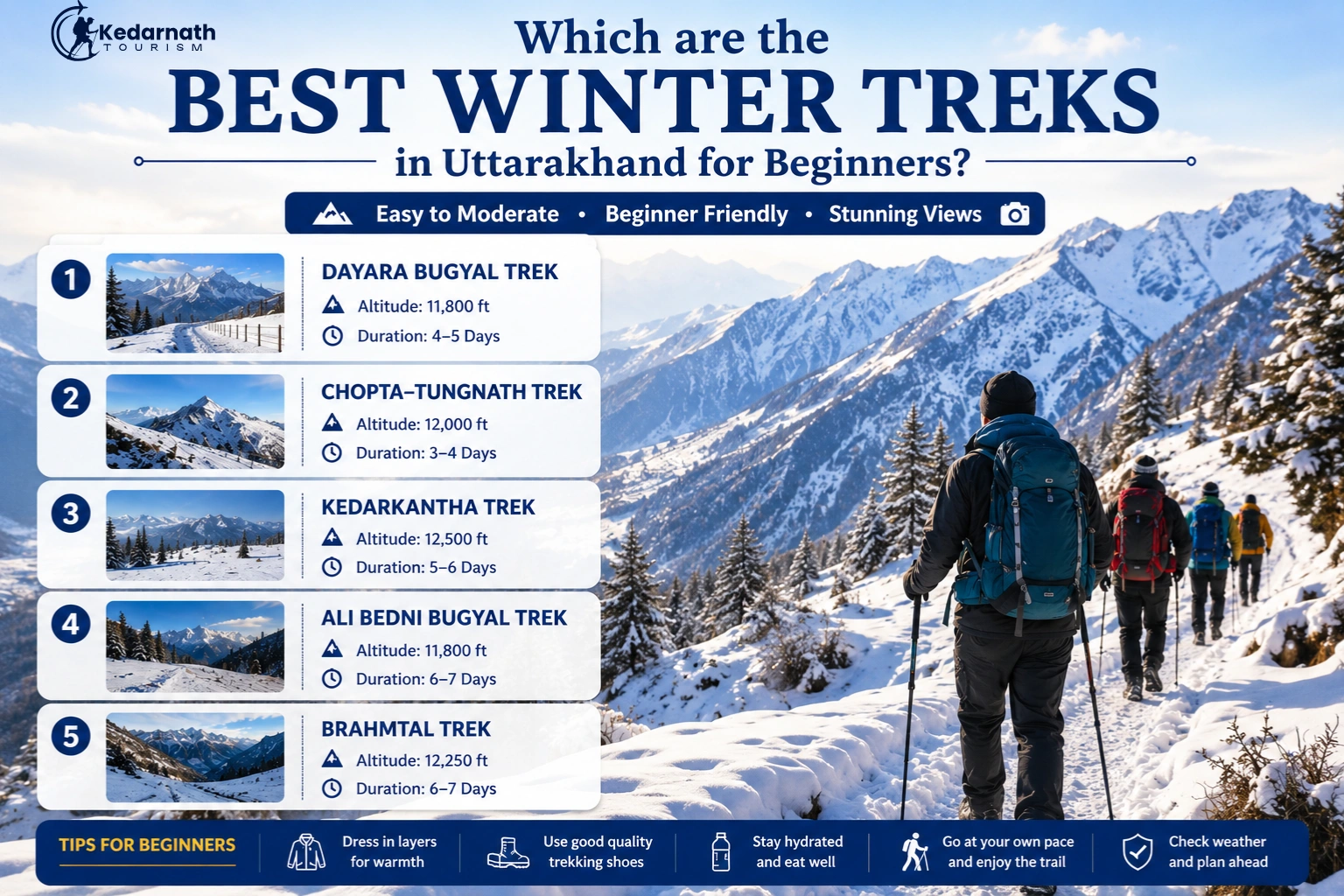
Which are the best winter treks in Uttarakhand for beginners?
If you are new to snow trekking, you shouldn’t jump into a high-altitude expedition. The best treks in Uttarakhand for beginners during winter are those with well-defined trails and proximity to road heads.
1. Deoriatal to Chopta Chandrashila Trek
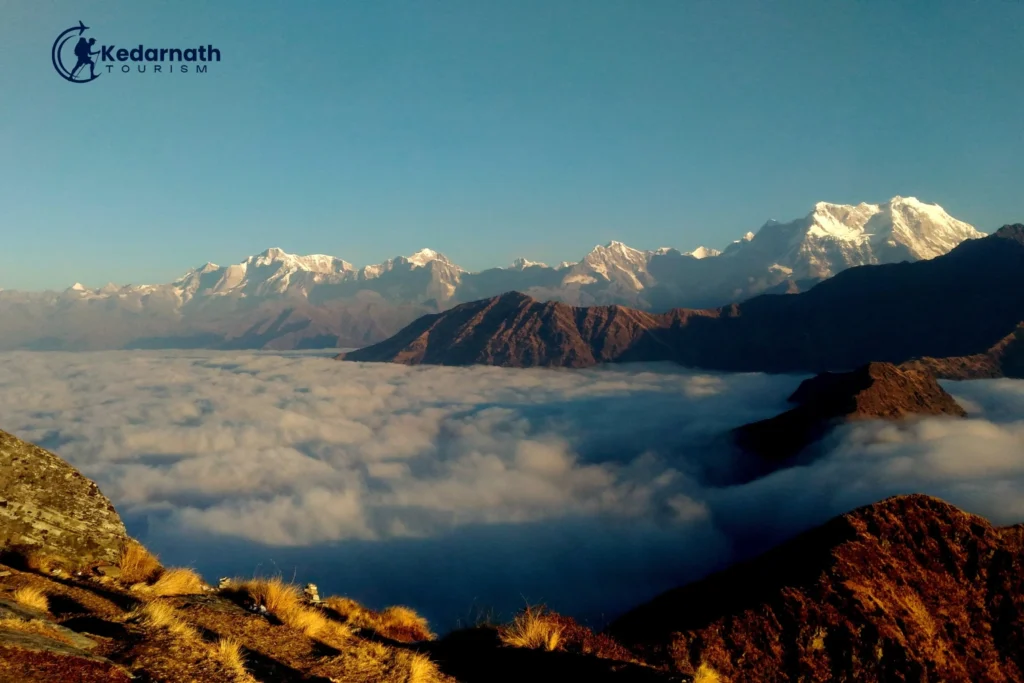
This is our home turf and, in our opinion, the absolute best winter trek in Uttarakhand. Starting from Sari village, just an hour’s drive from Ukhimath, the trail leads to a high-altitude lake that remains frozen or partially frozen in peak winter.
Overview:
- The Experience: A perfect mix of spirituality and adventure; visits the highest Shiva temple (Tungnath) and the Chandrashila summit.
- Landscape: Transitions from dense rhododendron forests to a glass-like frozen lake (Deoriatal) and finally to 360-degree Himalayan views.
- Difficulty: Moderate; the climb to the summit is steep but short and very rewarding.
- Local Highlight: Located near our base in Ukhimath, allowing trekkers to visit the winter seat of Lord Kedarnath.
- Visuals: Panoramic views of Nanda Devi, Trishul, Kedar Dome, and Chaukhamba massifs.
- Distance: 3 km to Deoriatal; 5 km from Chopta to Chandrashila.
- Max Altitude: 3,690 meters (12,110 ft).
- Duration: 3–4 Days.
- Cost: ₹8,000–₹12,000 for a guided 4-day trek.
2. Nag Tibba Snow Trek
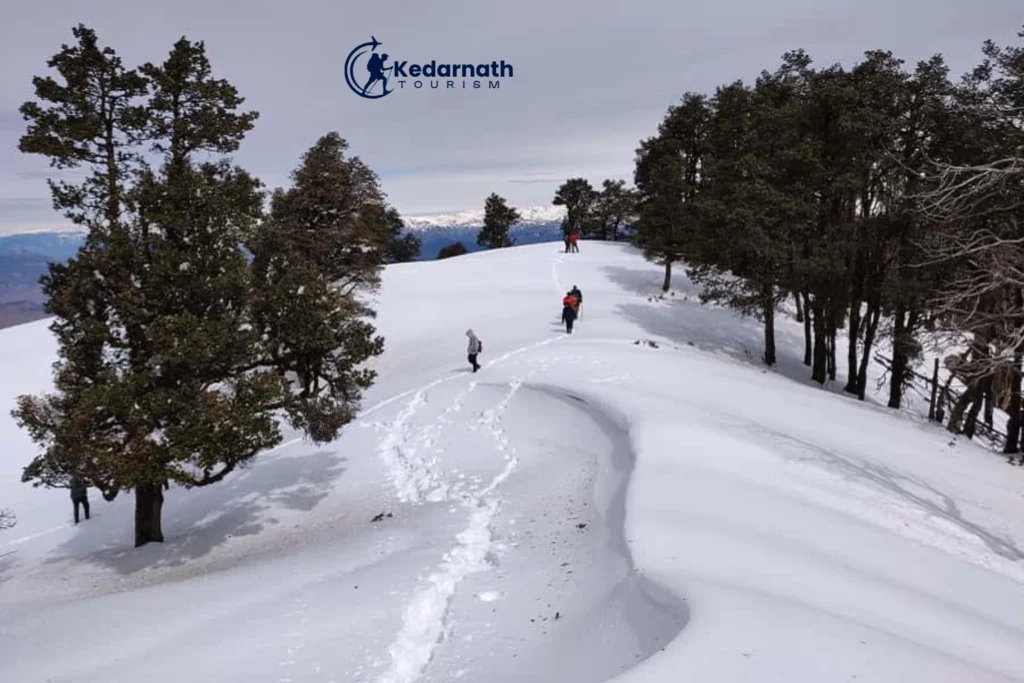
Located near Mussoorie, Nag Tibba is one of the most accessible short treks in Uttarakhand. It’s perfect for a weekend getaway from Delhi or Dehradun.
Overview:
- Accessibility: The closest snow trek to Dehradun and Mussoorie; ideal for weekend travelers.
- Forest Trail: Features trails through thick oak and cedar forests that transform into a winter wonderland by late December.
- The Summit: Provides a dramatic reveal of the Bandarpoonch, Swargarohini, and Srikantha peaks from the highest point in the Shivalik range.
- Culture: Pass through the Nag Devta temple, a peaceful spot for local worship.
- Best For: Families, children, and beginners who want a quick “snow fix” without deep Himalayan travel.
- Distance: 16 km (round trip).
- Max Altitude: 3,022 meters (9,915 ft).
- Duration: 2 Days.
- Difficulty: Very Easy/Beginner.
3. Dayara Bugyal
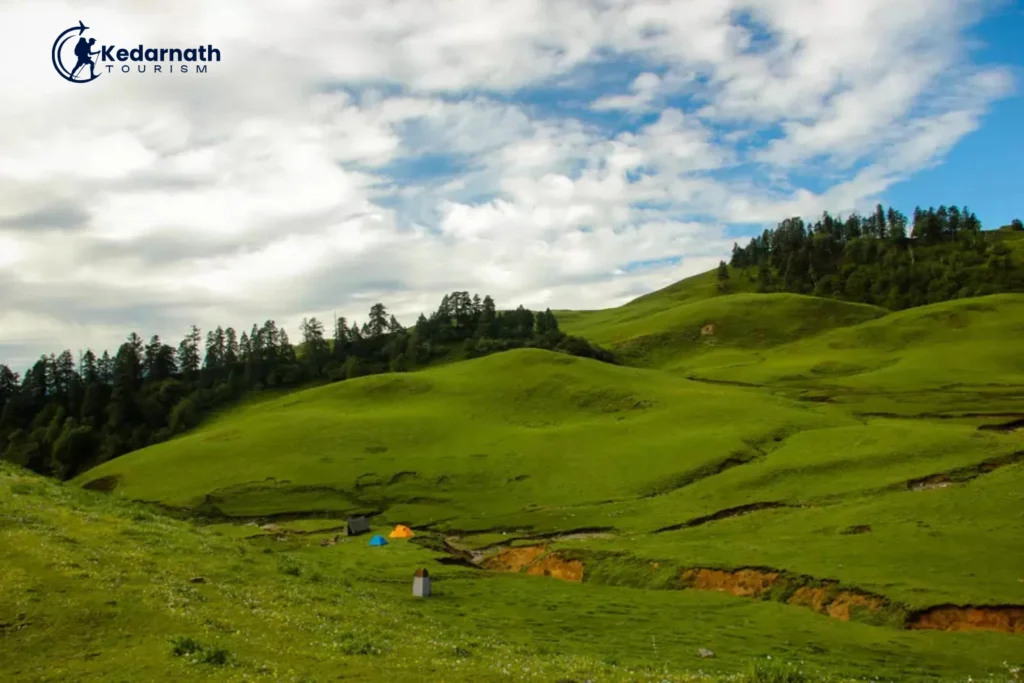
While “Bugyal” means meadow, in winter, Dayara transforms into a vast, undulating white desert. It is widely considered one of the best snow treks in India for its skiing potential.
Overview:
- Landscape: One of Asia’s largest high-altitude meadows (28 sq. km), turning into a massive white playground in winter.
- The Climb: A gentle gradient ascending from Barsu or Raithal villages through old-growth forests.
- Winter Activities: The smooth, rolling hills are perfect for Nordic skiing and snowshoeing once the snow sets in.
- Visuals: Incredible proximity to the Gangotri massif, including Bhagirathi I, II, and III.
- Vibe: Offers a sense of “infinite space” and deep silence that is hard to find on more crowded trails.
- Distance: 22 km (round trip).
- Max Altitude: 3,408 meters (11,181 ft).
- Duration: 4 Days.
- Local Insight: The sunrise over the Gangotri range from the summit is unmatched.
What are the most popular high-altitude winter treks?
4. Kedarkantha Trek
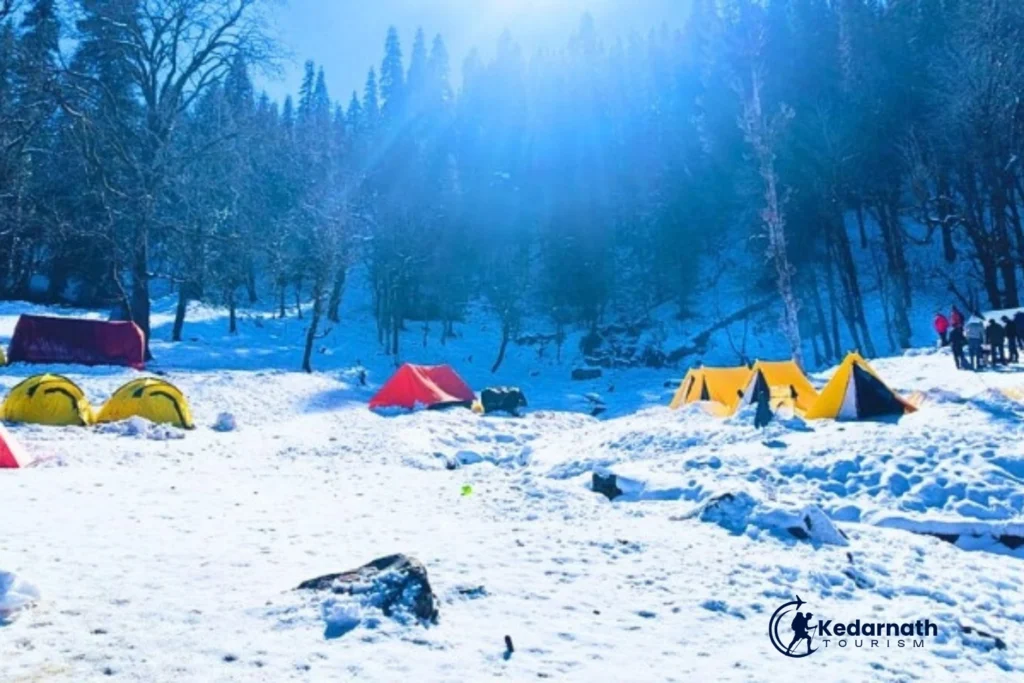
Arguably, the most famous snow trek in Uttarakhand. It is popular because you get a summit experience—standing on a peak—without needing technical mountaineering skills.
Overview:
- The Campsites: Famous for Juda-ka-Talab, a high-altitude lake that freezes so solid you can walk on it.
- Night Climb: Features a thrilling 3:00 AM summit push under the stars to reach the top for sunrise.
- The Summit: Marked by a Shiva shrine and offering clear views into the Har Ki Dun valley and toward Himachal Pradesh.
- Forestry: Beautiful pine forests that hold heavy snow on their branches, creating a “Narnia” atmosphere.
- Infrastructure: Excellent trail markings and established base camps in Sankri make this the most organized snow trek in India.
- Distance: 20 km (round trip).
- Max Altitude: 3,800 meters (12,500 ft).
- Duration: 5 Days.
- Local Knowledge: Avoid peak holidays (Dec 25-Jan 1) if you want to avoid large crowds.
5. Kuari Pass (The Lord Curzon Trail)
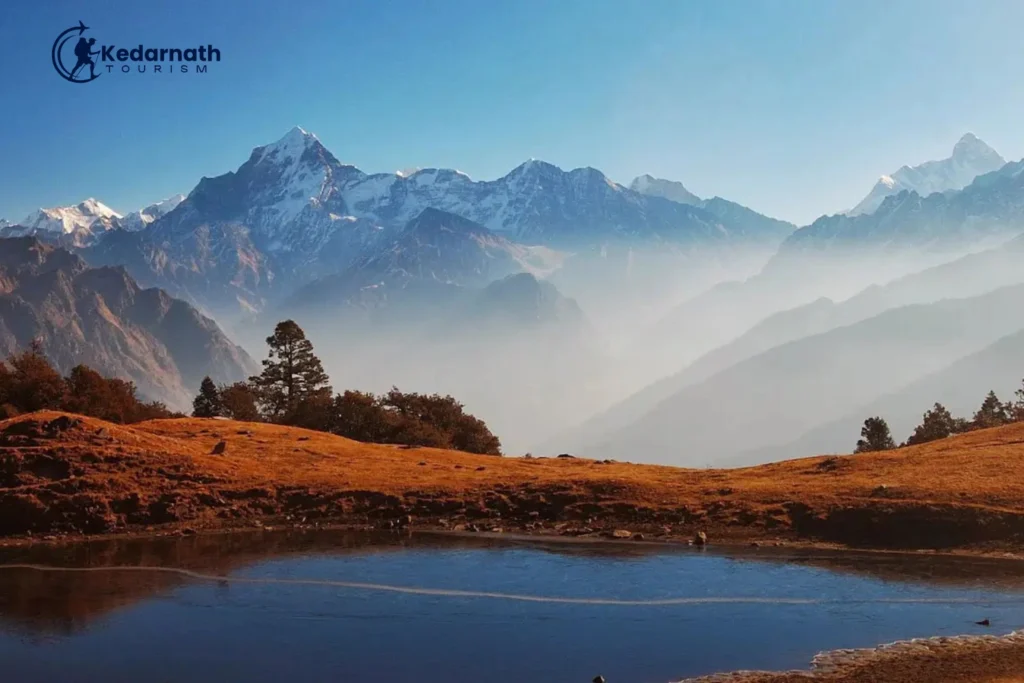
Kuari Pass is famous for its panoramic views of the Nanda Devi massif. In winter, the trail through the oak forests of Auli and Gorson Bugyal is breathtaking.
Overview:
- Historical Route: Named after Lord Curzon, one of the oldest and most classic trekking routes in the Garhwal Himalayas.
- The Views: Widely regarded as having the best vantage point for Mt. Nanda Devi, India’s second-highest peak.
- Trail Mix: Begins near the ski slopes of Auli and moves through the vast Gorson Bugyal meadows.
- Peak Sighting: Clear visibility of Dronagiri, Hathi Parbat, and Kamet peaks in the crisp winter air.
- Spiritual Connection: Starts near Joshimath, the winter seat of Lord Badrinath, adding a religious layer to the trek.
- Distance: 33 km (round trip).
- Max Altitude: 3,876 meters (12,716 ft).
- Duration: 6 Days.
6. Brahmatal Trek
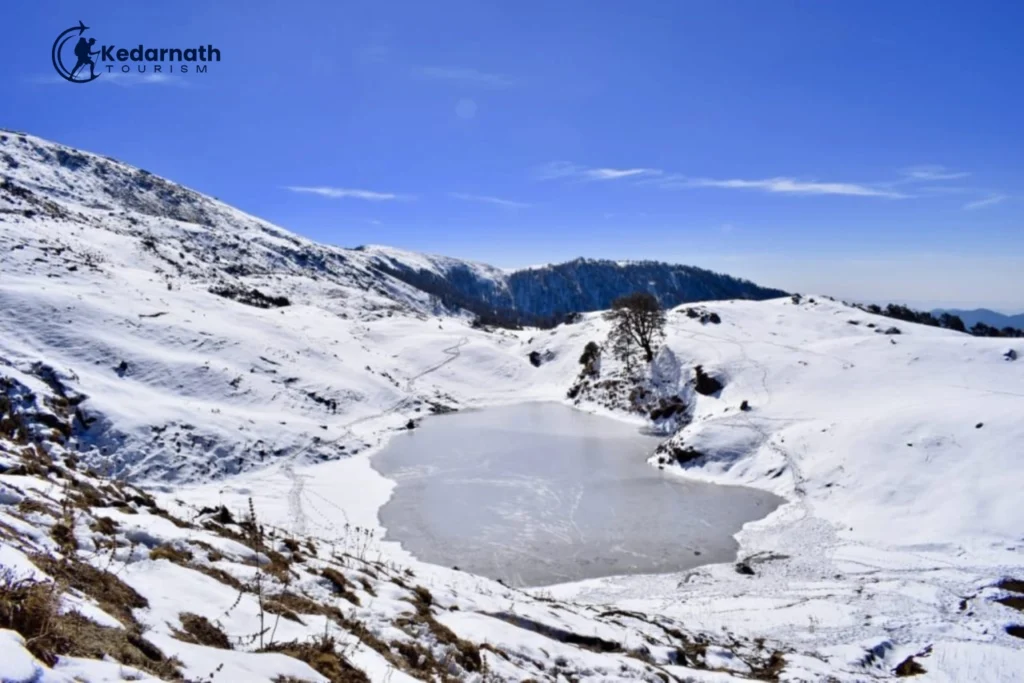
Brahmatal is unique because it offers a lake trek in the dead of winter. The lake remains frozen, and snow-covered peaks surround the campsite.
Overview:
- The Lakes: Features two lakes—Bekaltal and Brahmatal—both of which freeze completely into slabs of white ice.
- The Ridge Walk: Unlike many treks that stay in valleys, this involves a long walk along a high ridge with non-stop mountain views.
- Up Close: Provides an intimidatingly close view of Mt. Trishul and Mt. Nanda Ghunti.
- Legend: Local lore says Lord Brahma meditated here; the atmosphere is notably serene and quiet.
- Sunsets: The Tilandi campsite is famous for “Alpenglow,” where the snow-capped peaks turn deep orange and pink at dusk.
- Distance: 24 km (round trip).
- Max Altitude: 3,734 meters (12,250 ft).
- Duration: 6 Days.
7. Har Ki Dun Valley
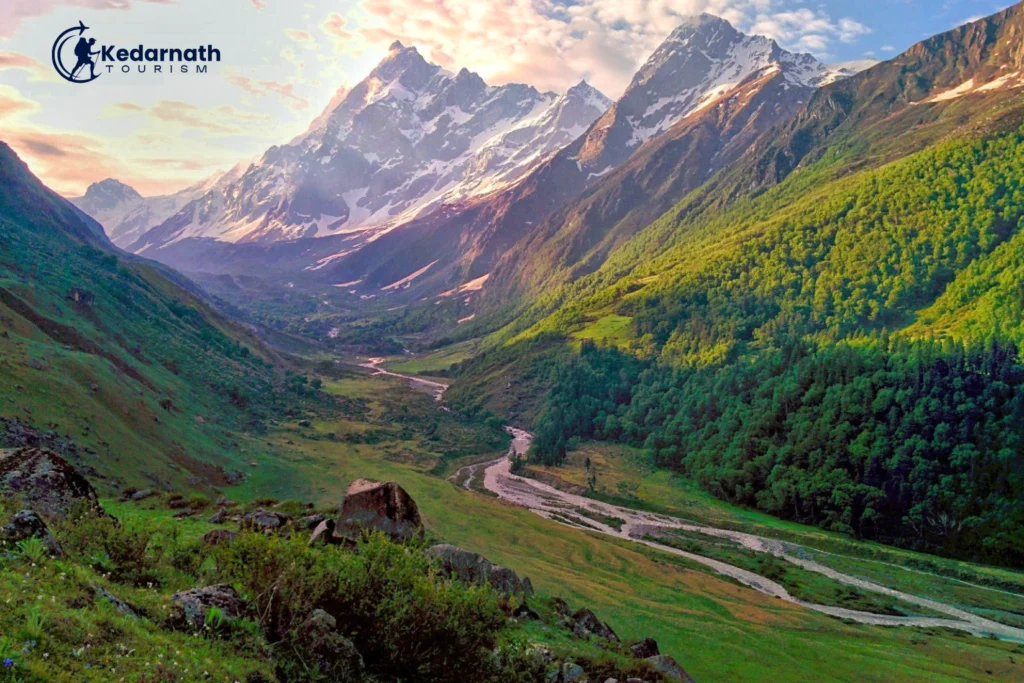
This is a cultural journey through ancient villages like Osla and Gangad. The valley is known as the “Valley of Gods” and looks like a Victorian Christmas card in December.
Overview:
- Living History: A trek through ancient wooden villages where people still live in 300-year-old traditional houses.
- The Landscape: A cradle-shaped valley carved by the Tons river, surrounded by the towering Swargarohini peaks.
- Mythology: Known as the “Stairway to Heaven,” believed to be the path the Pandavas took to the afterlife.
- Winter Solitude: The valley becomes incredibly peaceful in December as the shepherds and most tourists depart.
- Culture: Best experienced by staying in local homestays to learn about the unique “Someshwar Devta” temples and customs.
- Distance: 47 km (round trip).
- Max Altitude: 3,566 meters (11,700 ft).
- Duration: 7 Days.
Offbeat winter trekking in Uttarakhand
8. Ali Bedni Bugyal
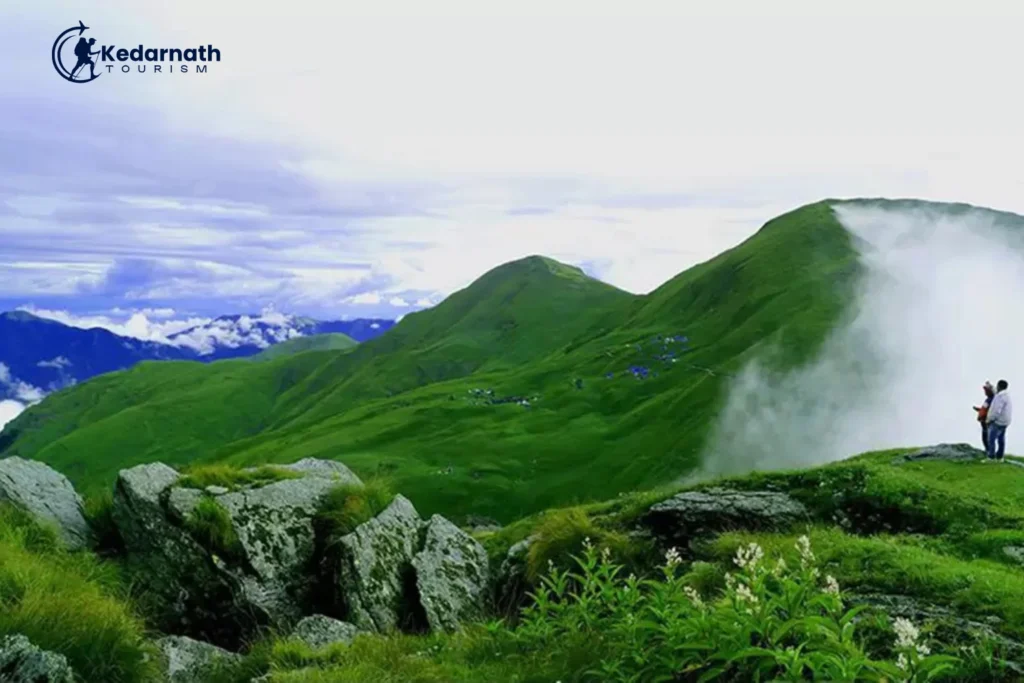
Often done as part of the Roopkund trek in summer, Bedni Bugyal in winter is a hidden gem. The twin meadows are vast, and the views of Mt. Trishul are intimidatingly beautiful.
Overview:
- The Scale: These are twin meadows that cover a massive area; in winter, they look like an endless white sea.
- Mountain Proximity: Mt. Trishul (7,120m) rises directly from the edge of the meadow, appearing much closer than on other treks.
- The Forest: The initial climb from Wan village passes through some of the thickest and most ancient oak forests in Uttarakhand.
- Hidden Status: Most people only visit in summer, meaning you will have these world-class views almost entirely to yourself in December.
- Physicality: A steep and continuous climb that requires good stamina but rewards you with unmatched Himalayan vistas.
- Distance: 28 km (round trip).
- Max Altitude: 3,354 meters (11,000 ft).
- Duration: 5–6 Days.
9. Winter Kuari Pass via Pangarchulla
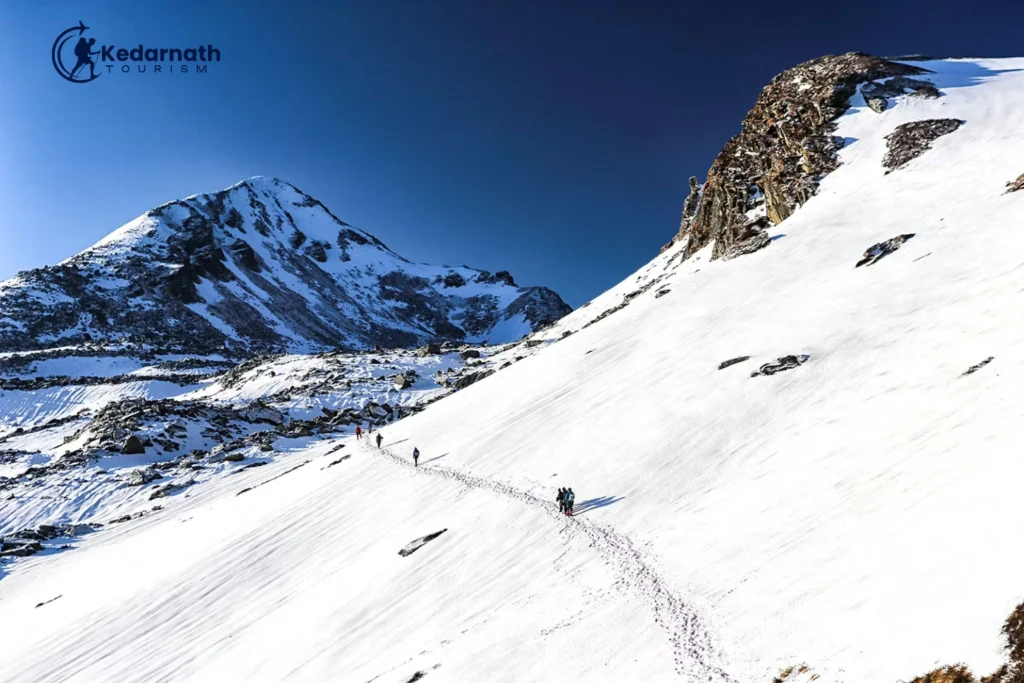
For those seeking a “semi-technical” challenge, attempting the Pangarchulla peak alongside Kuari Pass is a great winter feat.
Overview:
- Peak Climbing: A step up from standard trekking; involves a true summit attempt on a 14,700 ft peak in full winter conditions.
- Technicality: May require micro-spikes, gaiters, and an ice axe depending on the snow depth and ice levels.
- Terrain: Navigating through boulder fields and steep ridges that are completely masked by winter snow.
- The View: Standing on the summit provides a 360-degree look at the Nanda Devi Sanctuary and the border peaks of Tibet.
- Requirement: Strictly for those with previous high-altitude experience and excellent physical fitness.
- Distance: 38 km.
- Max Altitude: 4,500 meters (14,700 ft).
- Note: This requires technical gear and high fitness levels.
10. Bagchi Bugyal
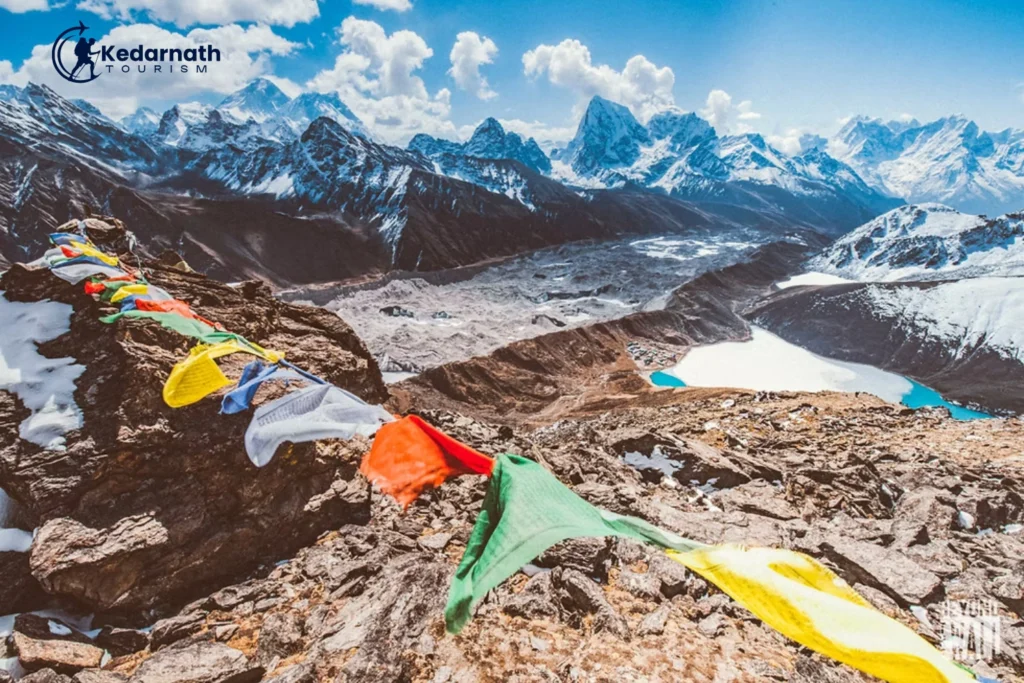
A relatively new trek on the map, Bagchi Bugyal offers a massive meadow experience similar to Ali Bedni but with almost zero other trekkers.
Overview:
- Pristine Trails: A “new” route that hasn’t been commercialized; the trails and campsites are clean and untouched.
- Meadow Beauty: Offers expansive views of the Pindari Glacier range and Mt. Trishul from a different angle than Bedni.
- Village Life: Starts from remote villages like Dewal, where the local culture is still very traditional and untouched by tourism.
- Nature: Great for birdwatching and wildlife spotting in the lower forest sections before reaching the snowline.
- Privacy: If you want a “private” Himalayan experience without the crowds of Kedarkantha or Chopta, this is the best choice.
- Distance: 25 km.
- Max Altitude: 3,300 meters (10,826 ft).
- Duration: 4 Days.
What is the cost of winter trekking in Uttarakhand?
The cost varies depending on the duration and the level of service. As a local company, we break down the costs as follows:
- Guided Trek Packages: ₹7,000 to ₹15,000 per person. This usually includes meals, tents, gaiters, and local guides.
- Equipment Rental: If you are trekking solo (not recommended in winter), renting a good down jacket and boots will cost ₹200–₹500 per day.
- Transport: Shared jeeps from Rishikesh to base camps like Ukhimath or Sankri cost ₹800–₹1,200. Private cabs cost ₹6,000–₹9,000 one way.
Is it safe to do a snow trek in December?
Safety is our primary concern. In December, the temperature in places like Chopta can drop to -10°C at night.
- Weather Windows: Always check the weather forecast. If a “Western Disturbance” is predicted, stay at the base camp. Snowstorms in the Himalayas can be blinding.
- Local Guides: Never trek alone in winter. Trails get covered in snow, making it easy to lose your way. We’ve seen experienced trekkers get disoriented just 500 meters from camp.
- Health: Altitude sickness (AMS) is harder to manage in the cold because your body uses more energy to stay warm.
Best places to visit in Uttarakhand in December (Non-Trekking)
If you have family members who don’t want to trek 10 km, they can still enjoy the snow:
- Auli: Take the cable car from Joshimath to see the snow without walking.
- Chopta Roadside: You can drive quite far and enjoy the snow right next to your car.
- Ukhimath: Visit the winter seat of Kedarnath for a spiritual and quiet atmosphere.
How to prepare for snow trekking in India?
- The Layering System: Wear a moisture-wicking base, a warm fleece, and a waterproof shell.
- Footwear: You need high-ankle trekking boots. Regular sports shoes will get wet, and wet feet in -5°C lead to frostbite.
- Physical Fitness: Start doing cardio 3 weeks before your trek. Walking in snow takes double the effort of walking on a dry trail.
Frequently Asked Questions about Winter Trekking
Which is the easiest winter trek in Uttarakhand?
Nag Tibba and Deoriatal are the easiest. Both can be done in 2 days and are suitable for children and seniors with basic fitness.
Can I see the Kedarnath temple in December?
No. The temple closes in early November. However, you can trek to the lower regions or visit Ukhimath, where the deity is worshipped during winter.
What equipment do I need for a snow trek?
You must have: Waterproof trekking boots, gaiters (to keep snow out of shoes), micro-spikes (for grip on ice), a headlamp, and a -10°C rated sleeping bag.
Is there a mobile network on these treks?
The network is very spotty. You might get a signal at the base camps (like Sari or Sankri), but once you are on the trail, expect to be offline.
What is the best time for a snow trek in Uttarakhand?
For fresh powder snow, the last week of December to the end of January is the best time. February usually has harder, packed ice.
Plan Your Winter Adventure with Locals
Looking for the perfect snow trek? We offer customized packages for the Kedarnath Yatra, Char Dham, and specialized Panch Kedar winter trails.


